
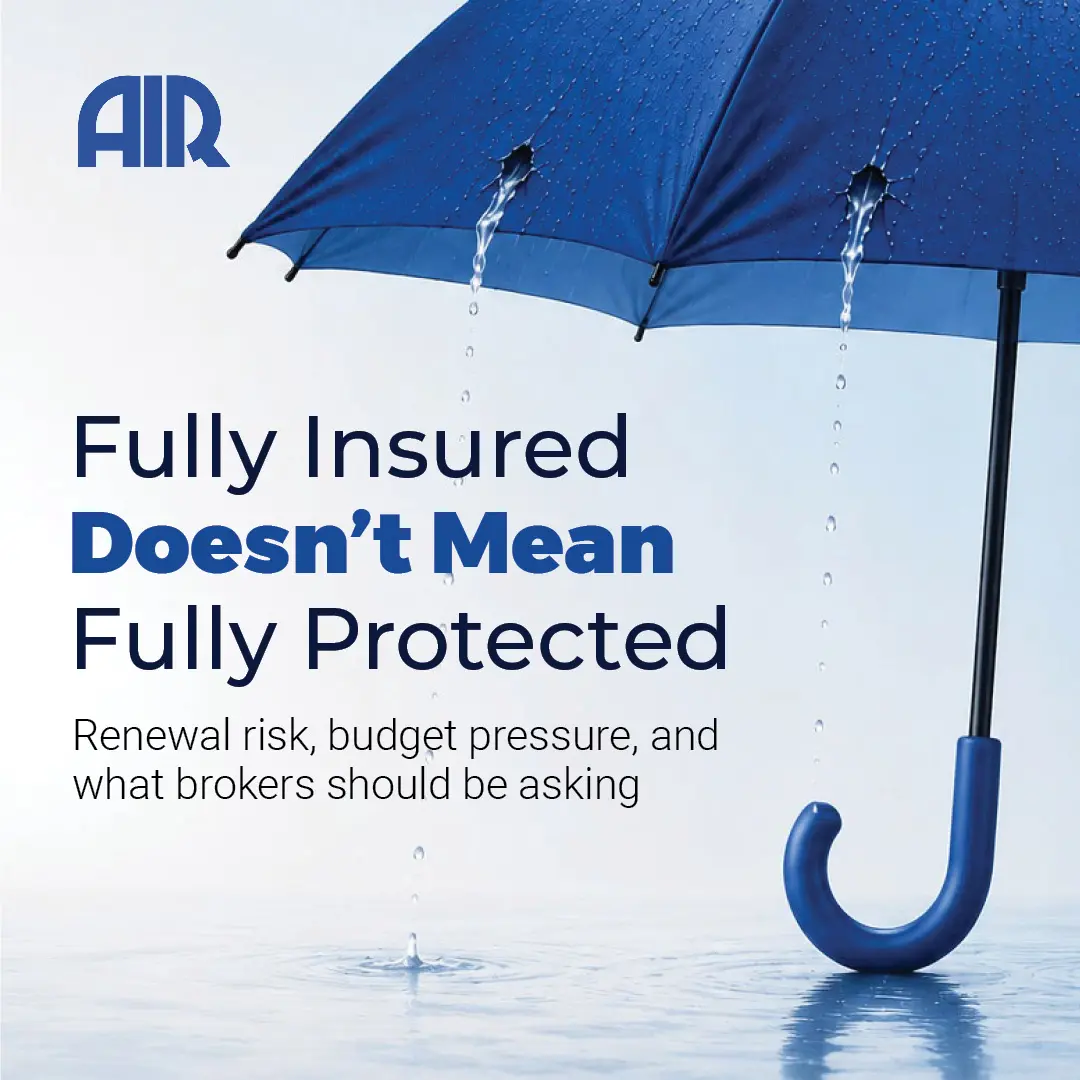
14 Jul Fully Insured Is Not Always Safe for Employers
For years, fully insured health plans have been viewed as the safer options for employers. Monthly premiums are fixed, administrative responsibilities remain with the carrier, and employers avoid the perception of financial exposure associated with self-funding.
Heading into 2026, many brokers were seeing employers revisit that assumption.
Premium increases continue to create pressure on budgets, particularly for mid-sized employers that need stable year-over-year planning. A fully insured plan may simplify administration, yet it can still expose employers to unpredictable renewals, limited access to claims reporting, and fewer opportunities to influence future costs.
For brokers, this creates a more important conversation than simply comparing annual premiums.
Renewal Increases Can Create Budget Pressure
Many employers enter renewal season expecting adjustments. The challenge is the size and timing of those increases.
A fully insured arrangement can produce steep renewal changes even when an employer has little visibility into the factors influencing them. That uncertainty makes financial planning difficult, particularly for organizations operating with tighter margins or fixed annual budgets.
For brokers, the discussion is no longer limited to whether a plan is fully insured or self-funded. Employers want to understand:
- How predictable future healthcare spend may be
- Whether they can access claims reporting
- What options exist to reduce volatility over time
These questions tend to surface earlier in the buying process, especially among employers that have experienced multiple difficult renewals.
Limited Access to Data Can Restrict Strategic Planning
A common frustration among employers is the lack of detailed information available within traditional fully insured arrangements.
Without reporting, employers may struggle to identify trends influencing spend. That can make it harder to evaluate chronic condition prevalence, high-cost claim drivers, pharmacy utilization, or opportunities for targeted population health strategies.
For brokers, access to better reporting can improve renewal discussions and support longer-term planning conversations.
How Health Bridge Supports Cost Stability Conversations
Health Bridge gives brokers another option for employers seeking more predictable healthcare spending without taking on unnecessary complexity.
AIR’s flexible funding solutions support employers for more sustainable long-term healthcare planning and improved budget management. Rather than relying exclusively on a traditional fully insured structure, Health Bridge supports a strategy centered around:
- Greater budget stability
- Access to useful plan performance reporting
- A more proactive approach to managing long-term healthcare costs
This positions brokers to guide conversations around financial planning, employee healthcare utilization, and sustainable benefit strategies. For employers frustrated by recurring renewal surprises, the Health Bridge overview outlines how the program supports cost management while maintaining quality coverage.
Questions Brokers Should Be Asking
As employers revisit healthcare spending strategies, brokers are in a stronger position when conversations move beyond premium comparisons alone.
A few important questions include:
- How much year-over-year budget variation can the employer absorb?
- Does the employer have access to reporting that helps explain cost trends?
- Are recurring renewal increases creating operational strain?
- Would a different funding approach support stronger long-term planning?
Fully insured coverage still serves an important role for many employers. In 2026, brokers who lead with cost predictability and financial planning discussions may deliver greater value than those focused only on annual renewals.
For additional broker healthcare insights and employee benefits resources, visit the AIR blog.